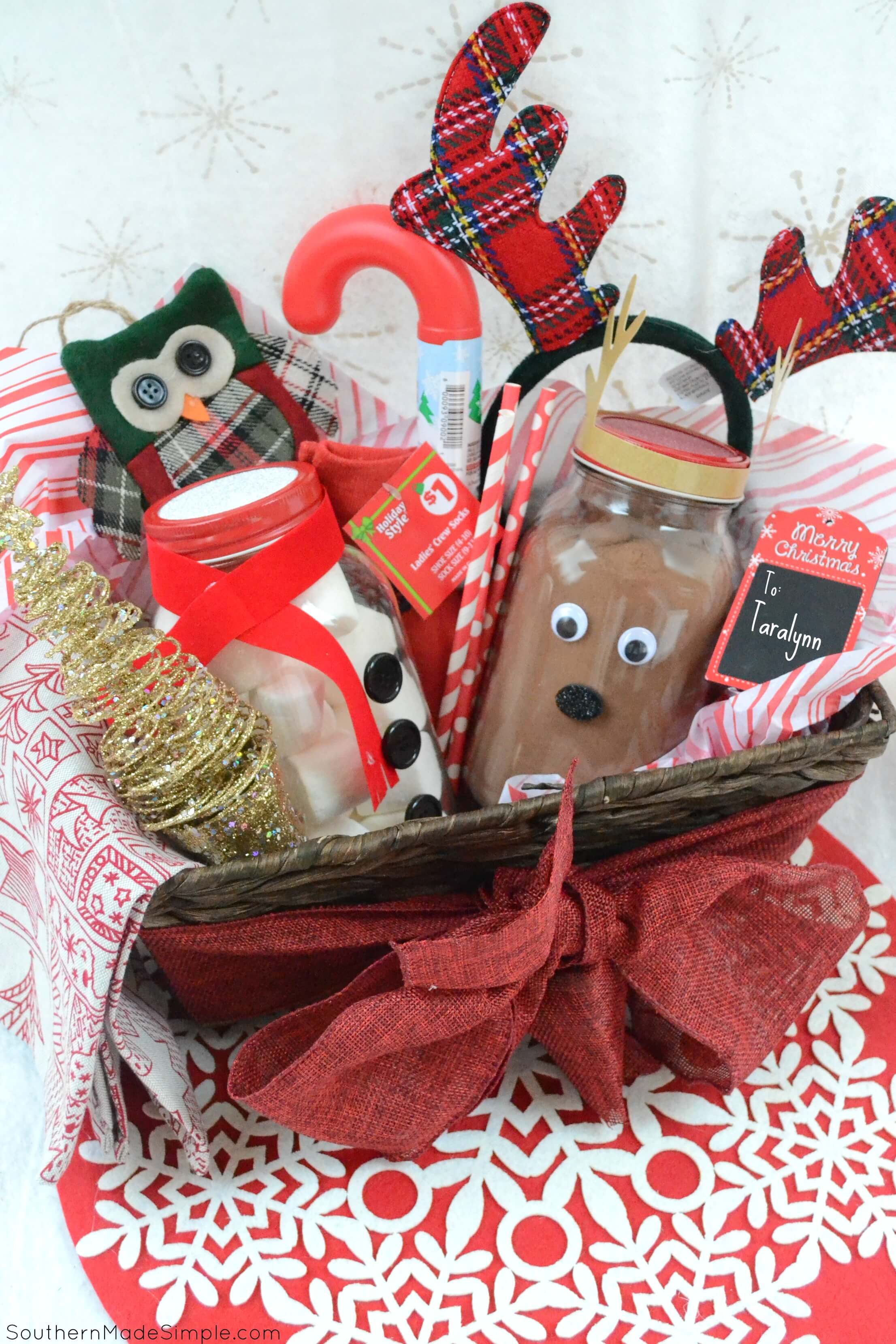
The holiday season is a time for gratitude, cheer, and the classic office tradition of gifting Christmas hampers. But how do you ensure that the hamper you hand out feels personal, appreciated, and truly festive? The answer lies in listening—actively Preserves gathering and acting on employee feedback. In this guide, we’ll explore practical, data‑driven strategies to weave employee voices into every step of the hamper selection process, turning a simple gift into a memorable gesture of appreciation.
Understanding the Power of Employee Feedback
Why Feedback Matters
When employees feel heard, morale rises and engagement spikes. A well‑chosen hamper can boost productivity and reinforce a culture of appreciation. Think of feedback as a compass: it points toward what truly delights your team, rather than relying on guesswork or corporate clichés.
Common Misconceptions
Many managers assume that “everyone loves chocolate” or “a gift card is safe.” While these options are safe, they miss the nuance that makes a gift memorable. The myth that a one‑size‑fits‑all hamper works for all can actually erode the very goodwill you aim to build.
Gathering Feedback Effectively
Surveys: The Classic Tool
Digital surveys are quick, scalable, and easy to analyze. Keep questions focused—ask about preferred snacks, dietary restrictions, and the ideal hamper size. Use a mix of multiple‑choice and open‑ended questions to capture both quantitative and qualitative insights.
Focus Groups: The Human Touch
A small, informal focus group can surface deeper preferences. Invite a cross‑section of staff and facilitate a relaxed discussion. This method uncovers cultural nuances that surveys might miss—like a shared love for artisanal cheeses in one department versus premium teas in another.
Anonymous Suggestion Boxes: Keeping It Confidential
Sometimes employees hesitate to speak up in a survey or meeting. An anonymous box—physical or digital—provides a safe outlet for candid comments. Scan the entries for recurring themes, such as a desire for gluten‑free options or a preference for local products.
> “The greatest compliment you can give someone is to listen.” – Unknown

Analyzing the Data
Sorting Themes
Once you’ve collected responses, group them into themes: dietary restrictions, snack preferences, budget limits, and regional tastes. This step is like sorting a jar of mixed nuts—each category has its own flavor profile.
Prioritizing Preferences
Apply a simple scoring system: assign points for each preference (e.g., 3 points for “vegan options,” 1 point for “standard chocolate”). The highest‑scoring categories guide the core contents of the hamper. This ensures the final selection is data‑driven, not wishful.
Translating Feedback into Hamper Choices
Curating the Menu
Based on your analysis, create a shortlist of items that align with the most common preferences. For instance, if 70% of respondents favor premium coffee and 60% want a Go to this website sweet treat, pair a high‑grade espresso blend with a gourmet chocolate bar.
Customization Options
Offer a “mix‑and‑match” section where employees can swap items within a set budget. Think of it as a holiday gift basket that lets each person tailor the contents to their taste—like a culinary version of a choose‑your‑own adventure.
Budget Alignment
Keep the cost per hamper in line with your budget while still meeting expectations. A simple equation—total budget ÷ number of employees—helps you gauge the maximum spend per hamper. Remember, a thoughtful selection can be cost‑effective if you focus on high‑impact items.
Presenting the Hamper Selection
Communicating the Process
Transparency builds trust. Send a brief memo outlining how you collected feedback, the criteria used, and the final selection. This shows employees that their input directly shaped the gift, reinforcing a culture of openness.
Engaging Employees in the Final Pick
Invite employees to choose one or two “bonus” items from a curated list. This small decision‑making opportunity turns passive recipients into active participants—like handing them the reins for the final flourish of their holiday gift.
Making Your Selection Count
What if your hamper feels like a surprise gift or a predictable stocking stuffer? By incorporating feedback, you tilt the scale toward the former, creating a memorable experience that employees will talk about long after the office lights are dimmed. The process itself—surveys, focus groups, and open boxes—serves as a reminder that every voice matters.
An anecdote that illustrates this is the story of a mid‑size marketing firm that once sent out generic hampers and received lukewarm reactions. The next year, they asked for feedback and discovered that their team adored artisanal honey and locally roasted nuts. The result? A 40% increase in positive holiday sentiment and a noticeable uptick in collaboration during the festive season.
In short, the best ways to incorporate employee feedback into a Christmas hamper selection are to:
- Collect diverse input through surveys, focus groups, and anonymous suggestions. Analyze the data to uncover themes and prioritize preferences. Translate findings into a curated, customizable hamper menu. Communicate transparently and involve employees in final tweaks. Celebrate the outcome as a testament to listening and appreciation.
Now it’s your turn. Start gathering feedback today, and watch your Christmas hampers become the holiday highlight of your workplace. Happy gifting!